Thursday, April 4, 2019

Biodigester at Fat Beet Farm

Fat Beet Farm


During the spring of 2019 I have been doing an internship at Fat Beet Farm in Tampa, Florida. The Curci family have envisioned a sustainable commercial operation that includes a farm, food commissary, two restaurants and an event venue. They have been working for four years on establishing the farm where they are currently growing hydroponic lettuce, micro-greens, and soil-based vegetables, including cabbage, cauliflower, green onions, and of course BEETS. New projects on the horizon include a worm farm as well as an innovative mushroom growing system inside a shipping container!
Jerry Comellas and I digging the future beet field
Fat Beet Micro-greens used at their partner restaurants Noble Crust
My internship has revolved around building and getting the Biodigester up and running. As I excitedly talk about my project, I'm often met with quizzical looks . . ."Uh, sorry, but what EXACTLY is a biodigester?" I even recently had a friend ask, "Can it eat people?" Well, the short answer is - yes, yes it can!

What is a Biodigester?

An anaerobic biogas digester turns food, animal and agricultural “waste” into energy! Microbes break down organic materials into methane (CH4), carbon dioxide (CO2) and digestate, which can be used as fertilizer. Anaerobic (without oxygen) digestion is a simple process that occurs naturally in lakes and bogs, and consists of the following four steps:


Anaerobic Digestion

1. Hydrolysis: Organic matter is broken down to molecules such as sugars, amino acids, and fatty acids, becoming available for the bacteria

2. Acidogenesis: Acidogenic bacteria convert these molecules into VFAs (volatile fatty acids) ammonia, hydrogen sulfide and carbon dioxide


3. Acetogenesis: Acetogenic bacteria continue breaking down matter to produce acetic acid, carbon dioxide and hydrogen


4. Methanogenesis: Methanogenic bacteria complete the break down process resulting in methane (biogas), carbon dioxide and water. 

In these four simple steps you can take any organic material including food waste like meat and dairy products, grease, moldy bread, rotten fruit and veggies, as well as any kitchen scraps. Additionally, you can use animal waste of any kind - horse, cow, pig, human, and even dog and cat! Also agricultural waste, such as grass clippings, dead flowers, husks and shells, and weeds can be added. In the end, any leftover indigestible material left in the digestate makes for excellent natural fertilizer. This process creates a close-looped cycle, turning "waste" into energy and fertilizer input. 


What we're doing at Fat Beet

At Fat Beet, there is an abundant amount of organic matter "waste," from the food processing facility for the Noble Crust restaurants and the agricultural processes. Although composting is currently an option, with future restaurant and agricultural expansion plans, there will be a surplus of organic waste. 

TH Culhane & Josie Curci
We have built a Puxin designed 10m3 biodigester, using Dr. TH Culhane's steel molds. Dr. Culhane has used these molds to build biodigesters around the world. He is my professor at USF's Patel College of Global Sustainability and founder of Solar C³ities, a non-profit international open-source platform for all things biodigester and biogas related.


 http://www.solarcities.eu/
http://en.puxintech.com/Home


After constructing the concrete shell, we installed a 6" pipe to input food waste, a 4" pipe for digestate output, and the Puxin dome lid, for the biogas release.  We made a steel stir pipe to prevent clogs. 
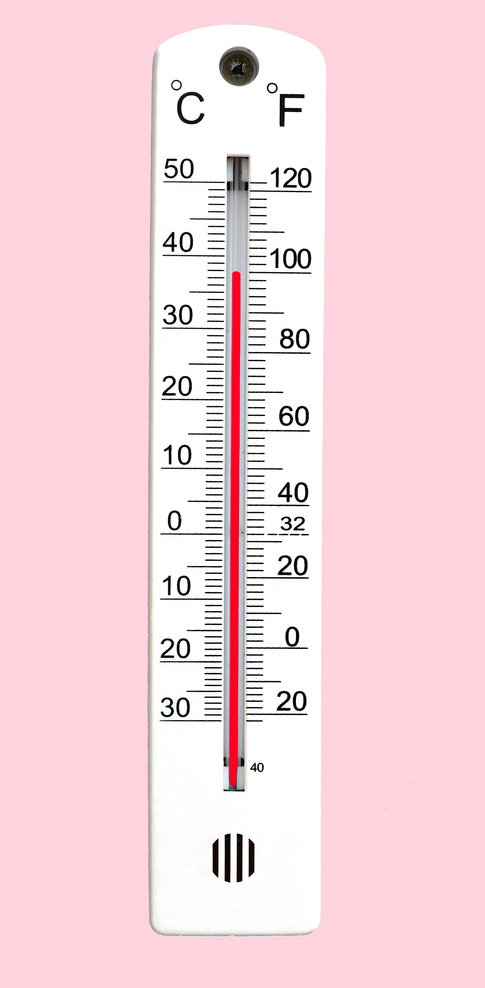

Typically, biodigesters operate by mesophilic digestion, with mesophiles being the primary microorganisms, at optimal temperatures of 30-38°C (86-100°F), with ambient temperatures between 20-45°C (68-113°F). Tampa’s average high temperatures surpass the minimum of this range, fluctuating from 21°C (70°F) in January to 32°C (90°F) in June, July and August. However, the average lows, dip below the optimal temperature of 20°C (68°F) from November through April, at 16°C (60°F), 12°C (54°F), 11°C (52°F), 12°C (54°F), 15°C (58°F), and 17°C (63°F), respectively. In order to keep the biodigester at a constant high enough temperature, an additional heat source is required. The Curcis and Dr. Culhane decided to install a solar powered hot water system of evacuated tube collectors and PEX coils positioned inside the biodigester.


500 ft. of PEX coils looped through cinder blocks, holding them in place and providing surface area for bacteria colonies. The coils connect to steel pipes we placed inside the concrete shell.

PCGS students came out to help install the 60 evacuated tube solar system


 Split solar water heater system

Bringing It All Together

After the solar water system was installed, we needed to connect everything. We used CPVC pipes to connect the steel pipes that the PEX coils are connected to inside the digester to the solar tubes. Through trial and error, we realized the CPVC wasn't strong enough to withstand the piping hot water coming out of the solar tubes, so we had to refit the system with copper. We completed our plumbing system, with several pressure relief valves to hopefully deter any future explosions. We wrapped all the plumbing with foam insulation to prevent heat loss throughout the system. 

Warped CPVC after system exploded from high temperatures


Jerry and I cutting copper pipes

I learned how to solder!

She's Alive!

After several weeks of inoculation and feeding the biodigester manure and food waste, she is now functioning. We have both biogas and digestate production. We have a temporary IBC tank system set up, capturing both byproducts. These will eventually be replaced with custom cone bottom tanks. The conical shaped tank will prevent a build up of sludge at the bottom of the slurry tank. 

Liquid digestate aka slurry


Temporary digestate and biogas IBC holding tanks


Future cone storage tank


Te Kā
 or Te Fiti?

Te Ka or Te Fiti

Anybody who knows me, knows I have a slight obsession with the greatest movie of all time, Moana. In the movie, the demigod Maui has stolen the heart of Te Fiti, i.e. Mother Nature, to give power to humanity. Moana's people are beginning to suffer with crop blight and dwindling fish populations. She embarks on a mission to return the heart to Te Fiti, overcoming many obstacles along the way. Her final battle is against Te Ka the volcanic fire-breathing demon. In the end, Moana realizes that Te Ka is Te Fiti who has been corrupted without her heart. Moana returns her heart, and Te Fiti reemerges as the green goddess, forgiving all and ending the blight.  

The story of Moana can be aligned to our current world. We have abused Mother Nature to such an extent that we are suffering many consequences. We have extracted fossil fuels in order to obtain power, despite the ill effects of doing so. Perhaps, if we are able to have a paradigm shift, and turn to renewable energy sources, such as biogas, we can undo or at least prevent further damage. Our biodigester is both Te Ka and Te Fiti. She is currently black and capable of breathing fire, like Te Ka (and her dragon counterparts). In the future, Josie Curci envisions growing vining plants on her as she creates life with her fertilizer output and provides biogas energy, as Te Fiti.  


Monday, April 23, 2018

Simple Steps to a Greener Everyday Life

Simple Steps to a Greener Everyday Life

Becoming apart of the Food, Energy, Water Nexus has meant making adaptations to my daily life. Some examples are some simple purchases that with a low price tag can lead to a great environmental impact:

1. Aluminum water bottle and plastic tote 
Reducing my single use plastic use is a top priority for me. Although I've been using reusable water bottles and canvas bags for years, I couldn't help but purchase these at the Florida Aquarium.  I've previously been using a glass bottle, but it broke, so I thought I'd give this aluminum one a try. What I really like about it, is how long the water stays cool, or rather not hot, unlike my glass bottle. I was worried there would be a metallic taste to the water, but that's not been the case. 


The bottom of the bag reads:
Why choose this reusable tote?
1. Annually an estimated 4 billion plastic bags become litter worldwide.
2. A mere 1% of plastic bags are recycled in the United States.
3. 14 plastic bags contain enough petroleum to drive a car one mile.
4. 12 million barrels of oil are needed to produce the amount of plastic bags the United States use annually.
Thanks for doing your part to protect our environment.

2. Stainless steel straws
I recently made a video about the detriment straws have on our environment. I generally don't use straws as I only really drink plain water and wine.  But from time to time I like to enjoy a Vodka Soda or a Gin and Tonic. I decided to buy this variety pack of stainless steel straws. It comes with 4 straight, 4 bent, as well as 2 brushes and a carrying bag. There's enough for my mom to take one to work, put one in my purse and car, and have a few around the house. What I like about them, is you can use less ice in your drink, as they cool the liquid - an energy saving bonus!


https://www.amazon.com/Stainless-Tumblers-SENHAI-Drinking-Cleaning/dp/B06XFSG3H8/ref=sr_1_4_s_it?s=hpc&ie=UTF8&qid=1524524417&sr=1-4&keywords=set+of+8+stainless+steel+straws
$8.99

My mom tested it out at my restaurant
3. Wool Dryer Balls
According to the Amazon listing these balls are:
  • ALL NATURAL AND ORGANIC: Chemical free alternative to using dryer sheets and one-time use products.
  • ECO-FRIENDLY: ZG-Home's Wool Dryer balls are an eco-friendly alternative to plastic dryer balls that are most frequently seen on television!
  • REDUCES WRINKLES AND LINT: The wool balls' natural anti-static quality will help reduce your need to iron your clothes.
  • REUSABLE UP TO ONE YEAR: Our dryer balls will last over a thousand loads, allowing you to save money on dryer sheets and fabric softeners.
  • SAVE ELECTRICITY: Your appliance usage will shrink as you see your clothes dry up to 25% faster.Re-usable- Lasts over 1,000 loads
 https://www.amazon.com/SnugPad-ZG-Home-Premium-Reusable-Softener/dp/B074PFTJTZ/ref=sr_1_1_sspa?ie=UTF8&qid=1524524564&sr=8-1-spons&keywords=snugpad+wool+balls&psc=1
$13.95
4. Compost System
As mentioned in my previous blog, I upped my composting game. I bought this compost pail to keep my kitchen scraps in in between adding them to my compost bin. Every 2-3 days I empty it into my new Tumbler Composter. I been able to reduce my organic waste to nearly nothing. With less organic waste going into the trash, means less energy wasted transporting it to a landfill. Any meat/bones I have leftover, I bring in to Dr. Culhane to turn into biofuel!

 https://www.amazon.com/Epica-Stainless-Compost-Gallon-Charcoal/dp/B00AMNCYNQ/ref=sr_1_1?s=home-garden&ie=UTF8&qid=1524524856&sr=1-1&keywords=Top+Rated+Epica+Stainless+Steel+Compost+Bin+1.3+Gallon-Includes+Charcoal+Filter
$22.95

https://www.amazon.com/Yimby-Tumbler-Composter-Color-Black/dp/B009378AG2/ref=sr_1_1?s=lawn-garden&ie=UTF8&qid=1524524929&sr=8-1&keywords=Yimby+Tumbler+Composter%2C+Color+Black
$89.00

Through these simple purchases I hope to reduce my carbon footprint. Next up: I'm looking to replace all of my toiletries with Eco-friendly alternatives. 

Upping my Compost Game

Upping My Compost Game!

For anyone who was in last semester's Climate Change Adaptation and Mitigation class, knows I started a very simple and inexpensive Compost pile. You can watch the video on YouTube:
Lemieux: the helper

https://youtu.be/T-LBev63zPg

I really enjoyed my compost bin, and was able to reduce our garbage by at least 50% (we recycle all paper, plastic, glass an aluminum). I've been keeping a bowl full of scraps in the fridge and adding them to my compost every few days. The worms have been doing a great job and I have beautiful compost. 

However, our household was producing just too much organic waste for my compost to keep up with. I was still bringing about half our waste to TH Culhane to use in his biodigesters. Although that is a noble cause, I've been having to go from work to school, so storing a pile of waste in my car all day in the Florida sun is not practical. Also, we are planning on clearing our entire front yard of random plants and creating a native sustainable garden, so the more compost production, the better. 

I went to the trusty Amazon, and found: 

Yimby Tumbler Composter, Color Black $89.00


#1 Best Sellerin Outdoor Composting Bins

Amazon Prime 2 Day Shipping

The assembly:


Pretty straightforward, no tools required


Lemieux really likes to help


60+ screws later, Viola!
 
 Next Step was to get my compost started. I had saved some scraps for a few days:


Eggshells, banana, onions, avocado shell, laundry lint and a spaghetti squash rind (All Paleo of course!)


The bin has a "+" side that you open to add your compost


Adding the "greens"


For "browns" I scooped up some dry leaves from the yard. I added 2 bowls full to obtain the 1:2 ratio of greens to browns.


Finally I added some "dirt," aka Florida sand, to get the local microbes involved


After everything was in I closed the door and churned away!


 Notice the solar powered lights!


Now we wait . . .

After a few months of composting, I've run into an "issue." I've been simply throwing my scraps into a bowl (see white bowl above), and keeping them on the counter or the fridge. Although it works for me, my mom would prefer something a little tidier. Someone happened to post about this compost bin in one our groups so I went ahead and bought it.

Top Rated Epica Stainless Steel Compost Bin 1.3 Gallon-Includes Charcoal Filter

Amazon's Choice Why we love this product

List Price: $44.95
Price: $22.95 Free Shipping for Prime Members


It came in the mail, and out with the old white bowl and in with the new bin!


A check on my 2 compost piles 
4/23/2018


My original worm compost bin. As you can see after 5 months, what was started as a bucket of Florida sand has turned into a dark, rich, black soil. My worms are still pretty happy in here. 


My new compost, just one month in, is already doing well. Once this side is full, I will slide the door out, flip it over, and the "+" will be on the empty side, making it easy to remember which side to add to. After a few weeks of letting the original side compost, it will be time to empty it and start over, alternating between the 2 sides. This dual chamber process allows you to always have one side to add to and one side working into compost for your garden. 


Tuesday, April 3, 2018

How to Become a Certified Florida Clean Marina


How to Become a Certified Florida Clean Marina 


IDS6237.001S18 

Ecotourism Sustainable Tourism Management


Florida has 1,350 mi (2,170 km) of coastline, ranking it #2 in the United States, only behind Alaska. With year round pleasant temperatures, warm waters, sunshine and beautiful beaches spotted throughout the coastline, it's no surprise locals and tourists alike flock to the waterways to enjoy recreational boating. 


However with boats come marinas, which can become cesspools of waste, ranging from boater oil to plastic trash. In order to keep our marinas clean and healthy the Florida Department of Environmental protection has developed the Clean Marina program.  "The Florida Department of Environmental Protection is the state’s lead agency for environmental management and stewardship, protecting our air, water and land."
In order to become a certified Florida Clean Marina, several steps must be taken:
 
1. Learn More About the Florida Clean Marina Program:  Interested marinas can obtain a Clean Marina Program Guidebook which "contains information about the Clean Marina Program, the Clean Marina Action Plan (CMAP), Best Management Practices and many other helpful resources." Or they can attend an introductory workshop offered at various locations and times throughout the state.
2. Take the Florida Clean Marina Pledge & Submit an Application: The Florida Clean Marina prides itself by being voluntary based. By "signing the pledge, you make a commitment to actively pursue practices that protect Florida’s waters from harmful chemicals, excess nutrients and marine debris."
3. Conduct a Self-assessment of Your Facility: The Florida Clean Marina Action Plan (CMAP) allows marinas to administer self-assessments. "Designation as a Florida Clean Marina will be awarded to those facilities that meet 100 percent in the regulatory and legal requirements (indicated in bold print), and at least 80 percent in the program required areas."
4. Contact the Florida Clean Marina Program to Schedule an Environmental Review: Prospective facilities must contact a district coordinator to have a site visit to complete the certification process. 
5. Enjoy Your Rewards: "As a designated Florida Clean Marina facility, each location receives a high-quality, domestically manufactured program flag to display. Designation certificates are provided for presentation, and award ceremonies are available on request. Certified operators are also granted access to electronic materials including the Clean Marina logo, advertisement templates and more."
6. Maintain Florida Clean Marina Program Status: "The annual renewal process includes completing the Renewal Form, and serves as an excellent opportunity to update program coordinators on any new Best Management Practices that have been adopted by your facility. Upon the fifth year of renewal, facilities will obtain their Clean Marina re-certification through submitting a renewal form, an updated Florida Clean Marina Action Plan and completing an environmental review with a Clean Marina Program Coordinator on location."


Through this program Florida now enjoys dozens of clean marinas throughout the state. This leads to not only environmental benefits, but also economic benefits with increased tourism. Hopefully in the future all marinas will be clean!


Citations:
https://floridadep.gov/about-dep
https://floridadep.gov/osi/clean-marina/content/simple-steps-designation


Backpacking: Eco-tourism or Overtourism?

Backpacking: Eco-tourism or Overtourism?                When one thinks of a backpacker, there is a certain stereotype that comes to m...